Research lab
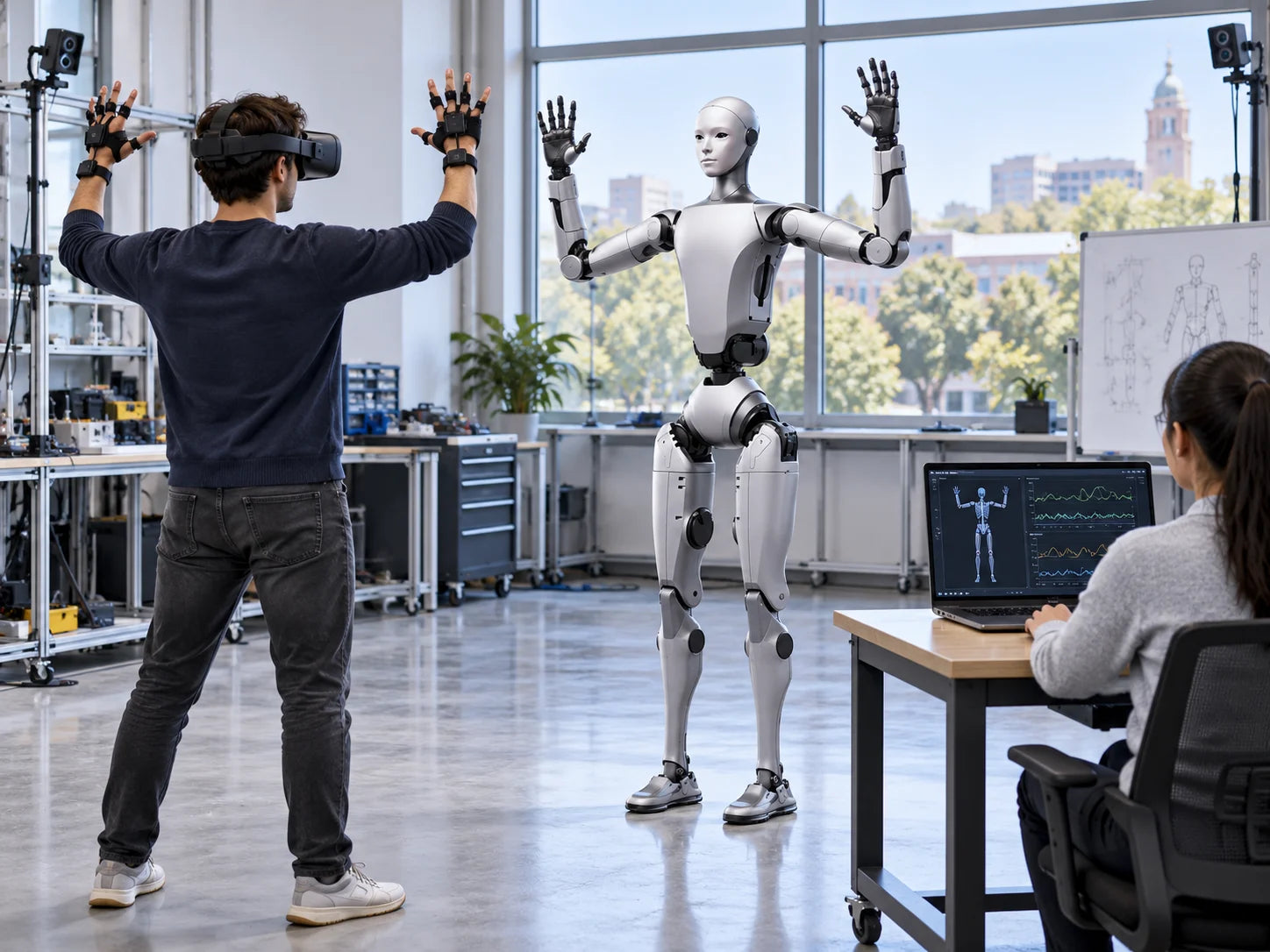
Study full-body control, imitation learning and two-arm tasks on 7-DoF arms, with official simulation and teleoperation tools for the EDU edition.
The EDU edition, experienced developers and protective support for low-level testing.
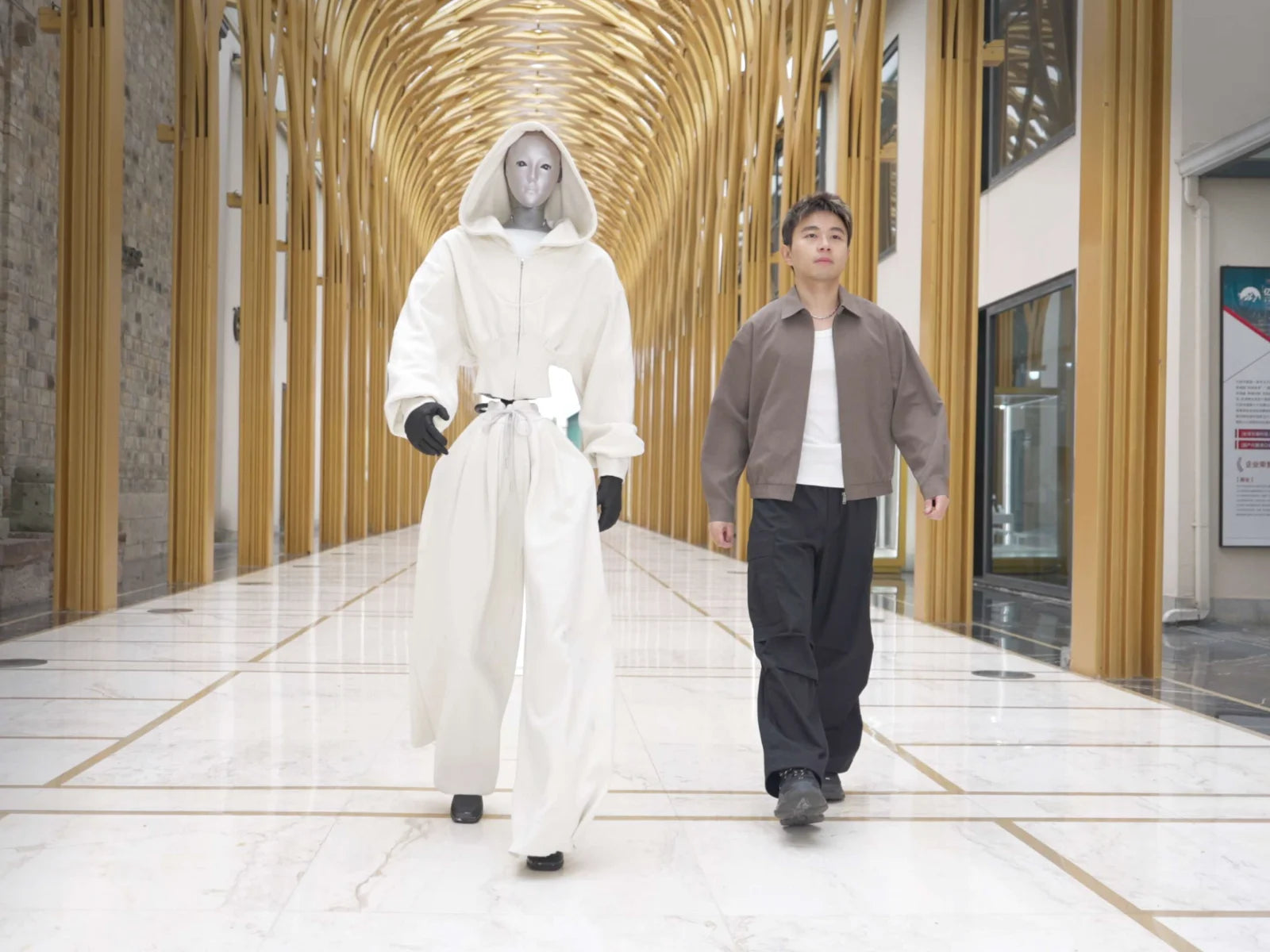
Manufacturer demonstration
Unitree H2
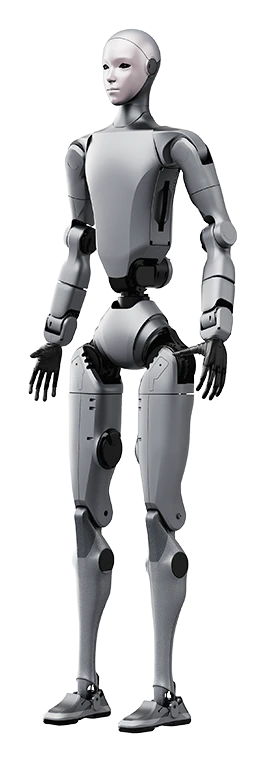
H2 stands 1.82 m, with 31 degrees of freedom and a bionic head. Use it for motion demonstrations and interaction research; the EDU edition opens it to your own code.
Every H2 walks, balances and runs installed action packs. Interaction needs content and software set up for your venue, and programming needs the EDU edition.
Walk, balance and run action packs from the official action store, adapted to H2's body and firmware.
A bionic head, stereo vision, microphone array and speaker give you the hardware for greetings and Q&A, once content and software are configured.
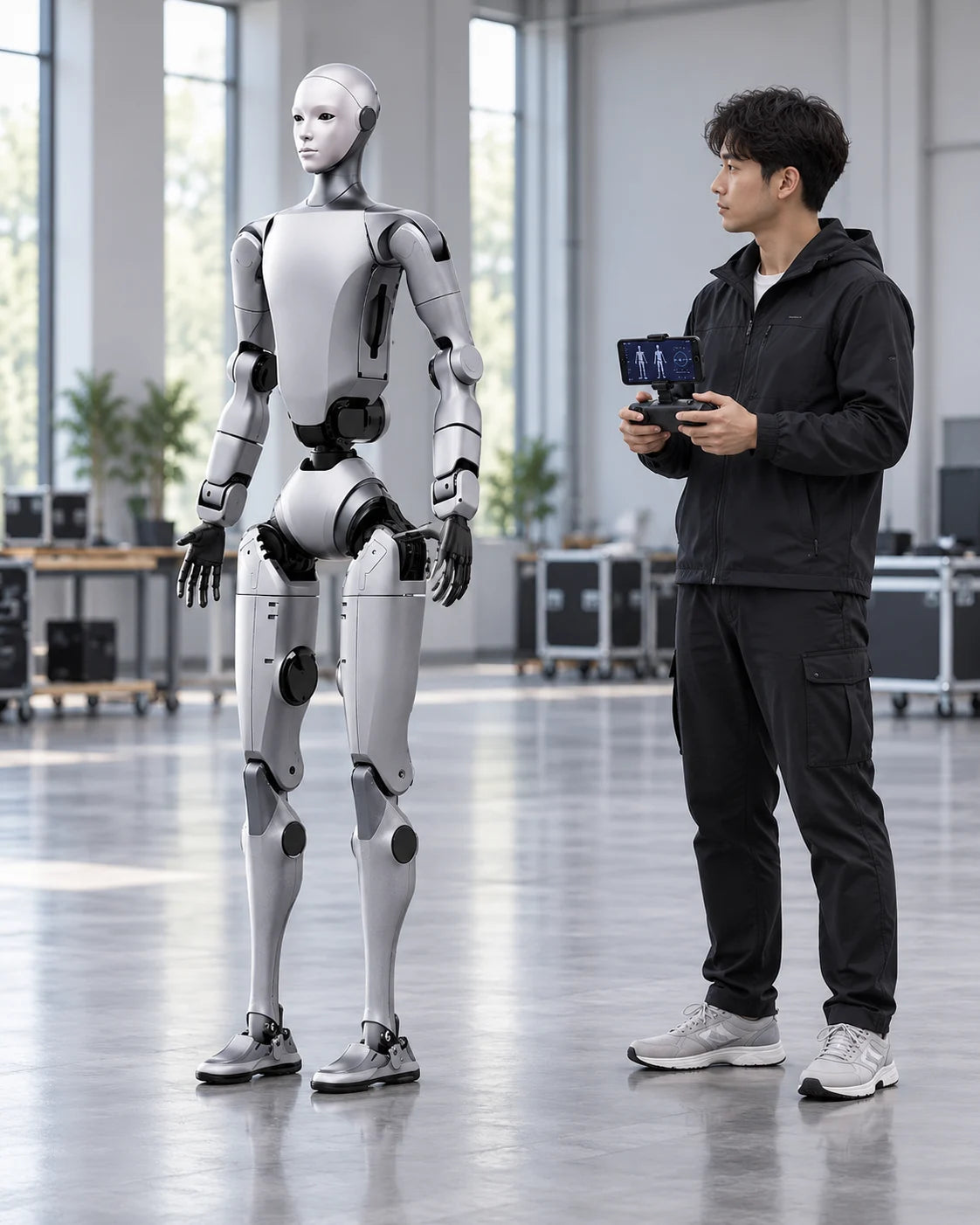
Program high- and low-level control in Python or C++, simulate first, add dexterous hands and teleoperate the 7-DoF arms.
Action packs must match H2's model, degrees of freedom and firmware. Development and dexterous hands are EDU only.
One full-size platform can serve a research lab, a public venue and a stage, with the edition matched to each.

Study full-body control, imitation learning and two-arm tasks on 7-DoF arms, with official simulation and teleoperation tools for the EDU edition.
The EDU edition, experienced developers and protective support for low-level testing.
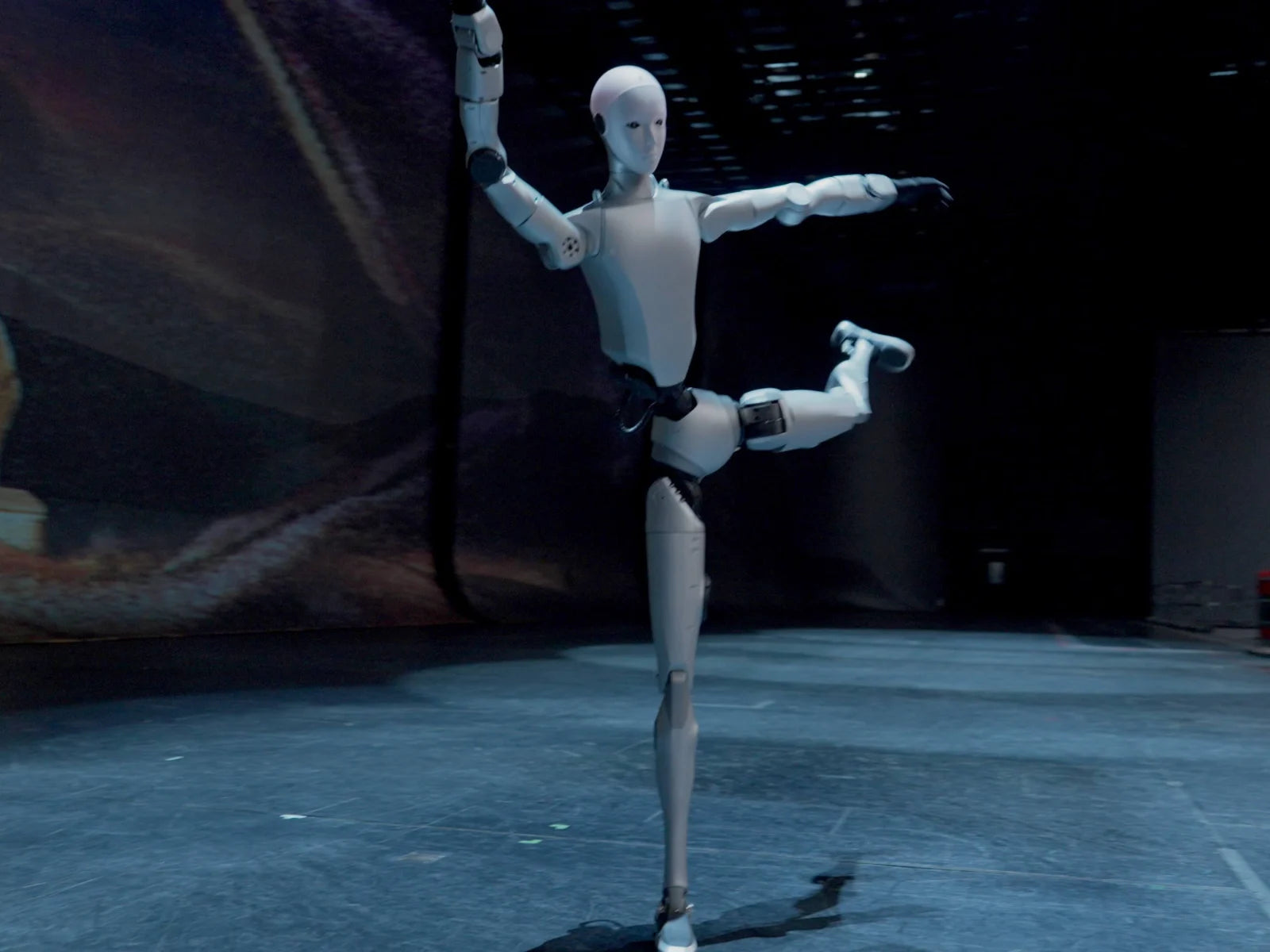
A full-size humanoid with a face draws visitors in. Greetings, product Q&A and guided moments can be built on its voice and vision hardware.
Content, software and network set up for your venue, plus a trained operator.

Install adapted action packs, then choreograph several H2s with the official formation software for routes, timing and music.
Venue mapping, rehearsal time, a clear stage and emergency-stop control.
Images show manufacturer demonstrations and illustrations, not FARSEN projects.
H2 stands 1.82 m with 31 degrees of freedom and runs about 3 hours on a quick-release battery. Both editions share this body.

| Size (standing) | 1820 × 456 × 218 mm |
|---|---|
| Weight | approx. 70 kg (with battery) |
| Degrees of freedom | 31 (legs 6 · arms 7 · waist 3 · head 2) |
| Max joint torque | Legs 360 N·m · Arms 120 N·m |
| Arm payload | approx. 7 kg rated · 15 kg peak |
| Max running speed | 3 m/s |
| Battery | 15 Ah · 0.972 kWh, quick-release · approx. 3 h |
| Charging time | approx. 2 h 40 min |
| Sensing | Wide-angle stereo camera · mic array · speaker |
| Connectivity | Wi-Fi 6 · Bluetooth 5.2 |
Manufacturer specifications (product page and user manual). Running speed applies to specific configurations on flat ground, with safety limits. Payload varies by scenario and configuration.
Both share the same full-size body. EDU adds a user development computer, dexterous-hand and high-compute options, and access for your own code.
Science centres, exhibitions and motion demonstrations.
University labs and embodied AI research teams.
EDU configurations vary; hands and compute are confirmed with your order. Fit suggestions and "In practice" are FARSEN guidance.
An edition name isn't a full specification. We go through these points with you before you order, so the H2 that arrives is the one you planned for.

Four steps, one partner, from your first question to H2 on site.
We shortlist robots and editions that match your learners and goals. You get a clear recommendation.
We assess technical fit, supplier capability and day-to-day use. You see what your H2 will actually do.
We flag quality, compliance and delivery risks early, and manage them. You hear about issues before they're problems.
We handle delivery, arrange training and take care of after-sales support. You keep one contact after delivery.